


A 74-year-old Intermountain Health patient with T2DM, peripheral neuropathy, hypertension, and hyperlipidemia lives alone yet remains active, spending 2–6 hours/day on their feet. The Podimetrics Program detected new temperature asymmetry at the left 3rd metatarsal head. On a follow-up call with the Podimetrics Care Team, the patient reported a recurring callus in the same area, previously unreported to their podiatrist. Offloading protocol was initiated, and clinical findings were escalated to the provider the same day. At the next follow-up, the callus remained stable with no progression, pain, or complications. This case highlights how the Podimetrics Program identifies clinically significant findings that align with objective thermal data, reinforcing timely provider awareness and supporting proactive foot care between clinic visits.

Your Partner in Preventive Care
The Podimetrics Program: Proactive support integrated with advanced technology can save lives
Patients with a history of DFU or partial foot amputation as well as those at risk for DFU with neuropathy, PAD and/or foot deformity qualify for the program. There is no cost for you or the eligible member to participate in the program. Identified eligible Medicare patients may be referred to your practice to continue their care. (Reword this)
How It Works
Our team can help reduce burden, and take timely action to improve outcomes.
Identify & Prescribe
Aetna has identified qualified patients under your care. Podimetrics will contact you to review them and confirm they are eligible for the program and send a prescription for signature.

We Handle the Rest
Once prescribed, we onboard, engage, and support your patients, ensuring they adhere to the program consistently. This work is done by our team to reduce burden on your staff.
Monitor & Intervene
The Podimetrics team keeps a close eye on patient data, alerting you when action is needed—helping prevent complications before they escalate.

A message from Podimetrics Medical Director - Gary Rothenberg, DPM
I am so pleased to lead the efforts of the Podimetrics team in helping your Aetna patients save limbs and lives! We are seeing impactful outcomes with patients in terms of decreased amputations, ED visits and hospitalizations. The program is keeping patients ambulatory and wound-free. Our goal is to decrease workflow for you – the busy clinician.
I am committed to lending you my continued support – please do not hesitate to contact me with questions or concerns. I am happy to schedule a virtual or in-person educational session for you and your team.
Frequently Asked Questions
Get answers to common questions about the Podimetrics Program below.
What is the SmartMat+?
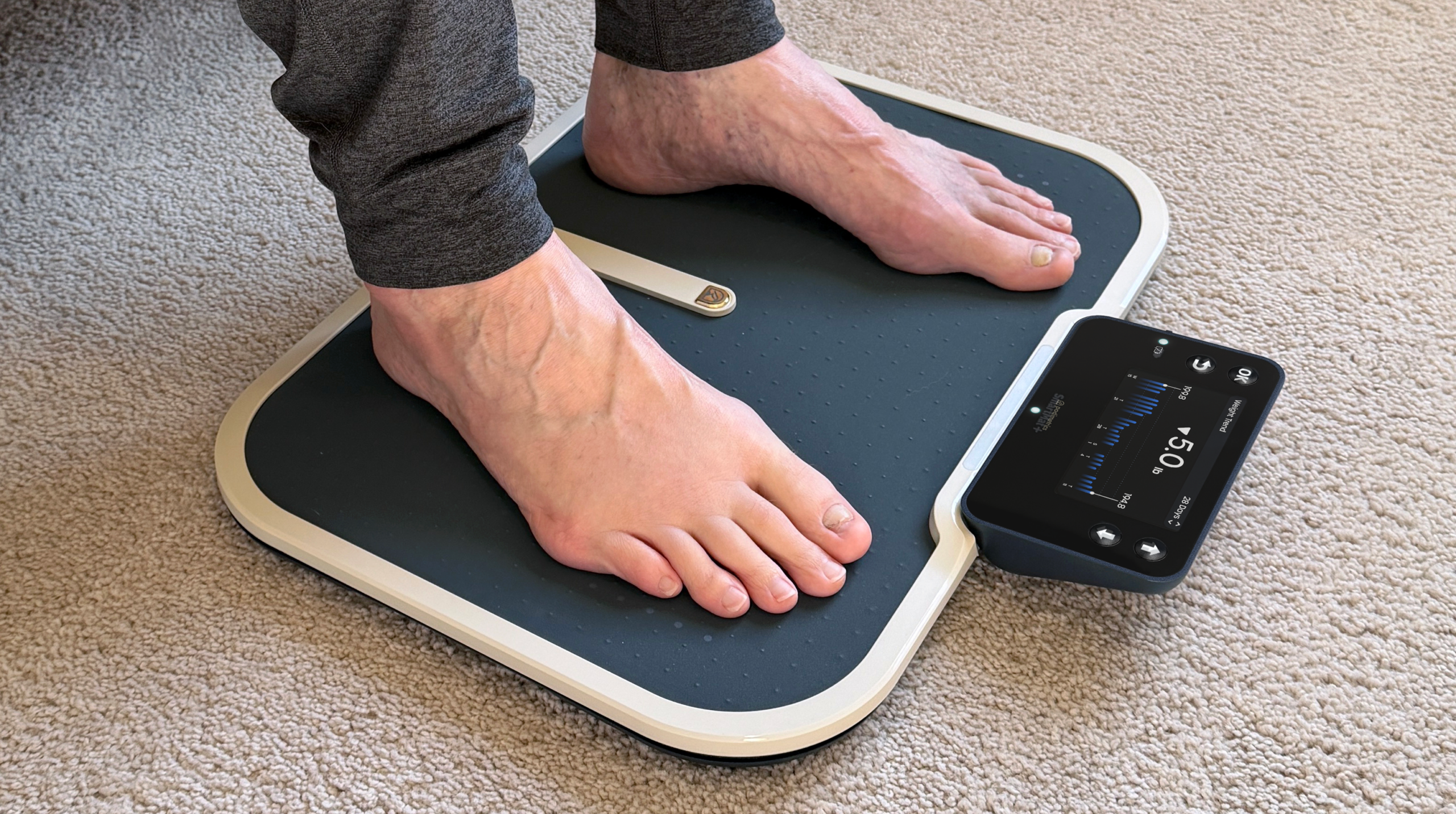
The SmartMat+ is a remote temperature monitoring device used to detect signs of inflammation. It is a home-based device, roughly the size of a bathmat, that measures temperature at the bottom of a patient’s feet. By detecting subtle increases in temperature as an early sign of inflammation, the SmartMat+ can help identify areas at risk of developing a diabetic foot ulcer, often up to five (5) weeks before one appears as demonstrated in a Podimetrics sponsored randomized control trial. This early detection enables timely clinical intervention, helping to prevent ulcers, hospitalizations, and amputations.
How does the SmartMat+ work?
The SmartMat+ is cellular enabled and does not require WIFI, a smart phone or an app. Patients simply step on the SmartMat+ daily for 20 seconds, then go about their day. The patient’s scan is sent securely to Podimetrics to analyze and monitor the scans for signs of inflammation (“hot spots”). If inflammation is detected between two consecutive scans, the Podimetrics care support team reaches out to the patient to initiate education and offloading protocols. In most cases, our virtual care support helps to reduce signs of inflammation, with no need to notify or alert the provider. In addition to inflammation monitoring, the Podimetrics care support team will reach out to re-engage patients and provide wellness check-ins. Patients can view their scans via the patient portal.
What is required of the provider?
Provider participation is minimal. Providers are asked to:
- Verify the patient meets inclusion criteria for the program, and sign the prescription for the SmartMat+
- There is no dashboard to monitor, or any additional administrative work required by the provider while a patient is actively monitored between regular office visits
- Provide routine clinical care if a patient requires medical attention due to persistent signs of inflammation or subjective patient findings that might require the patient to be seen in clinic
How often will the provider’s office be contacted?
Podimetrics provides alerts to providers offices for any clinical notifications or escalations needing attention or action. Our goal is to minimize the burden on provider offices by handling most monitoring and patient engagement between visits. Our team reviews all data and only reaches out when a clinical notification truly requires provider input. Thanks to our virtual care support, roughly two-thirds of inflammation alerts are resolved without needing a clinic visit. On average, patients are escalated to in-office evaluation 1-2 times per year. This approach not only reduces routine workload and unnecessary visits but also ensures that patients are seen at the right time and in the right care setting, helping prevent ER visits and hospitalizations.
What are the inclusion criteria for patients?
● Have a history of DFU, partial foot amputation or Charcot Foot in the last 24 months
● All Members covered by Aetna and deemed eligible by the Plan
● Once identified, Aetna supplies Podimetrics with a list of eligible members who qualify for the program. In this case Podimetrics will reach out to the provider office with a request to review any of their patients from the list.
Is there a cost for the patient or provider?
There is no cost to the patient or provider. Aetna is covering the program at 100%.
What outcomes has the Podimetrics Program demonstrated?
Proven Outcomes:
- Device Effectiveness: 97% of DFU detected approximately 5 weeks before wound opening1
- Device/Program Adherence: 75%+ of members actively scanning each month after 12 full months2
- Amputation Reduction: 50-70% reduction of Amputations2,3
- Hospitalization Reduction: 30-50% Reduction of all-causes inpatient stays2,3
- ER Visits: 10% Reduction of all-cause ER visits3
- Skin Substitute Reduction: 60%+ Reduction of use of skin substitutes2
1. Frykberg, et al. Diabetes Care 2017
2. Internal Podimetrics Data on File /Client Studies and outcomes
3. Isaac, et al. BMJ Open Diab Res Care 2020
Patient & Provider Wins
Lightening the Load While Improving Care

Let’s Prevent Diabetes Complications—Together.
Questions regarding your eligible patients and their prescriptions? Contact us today for more information.